We believe in transparency. Certain links are affiliate links, meaning we may earn a commission if you make a purchase, at no additional cost to you. learn more about affiliate disclosure
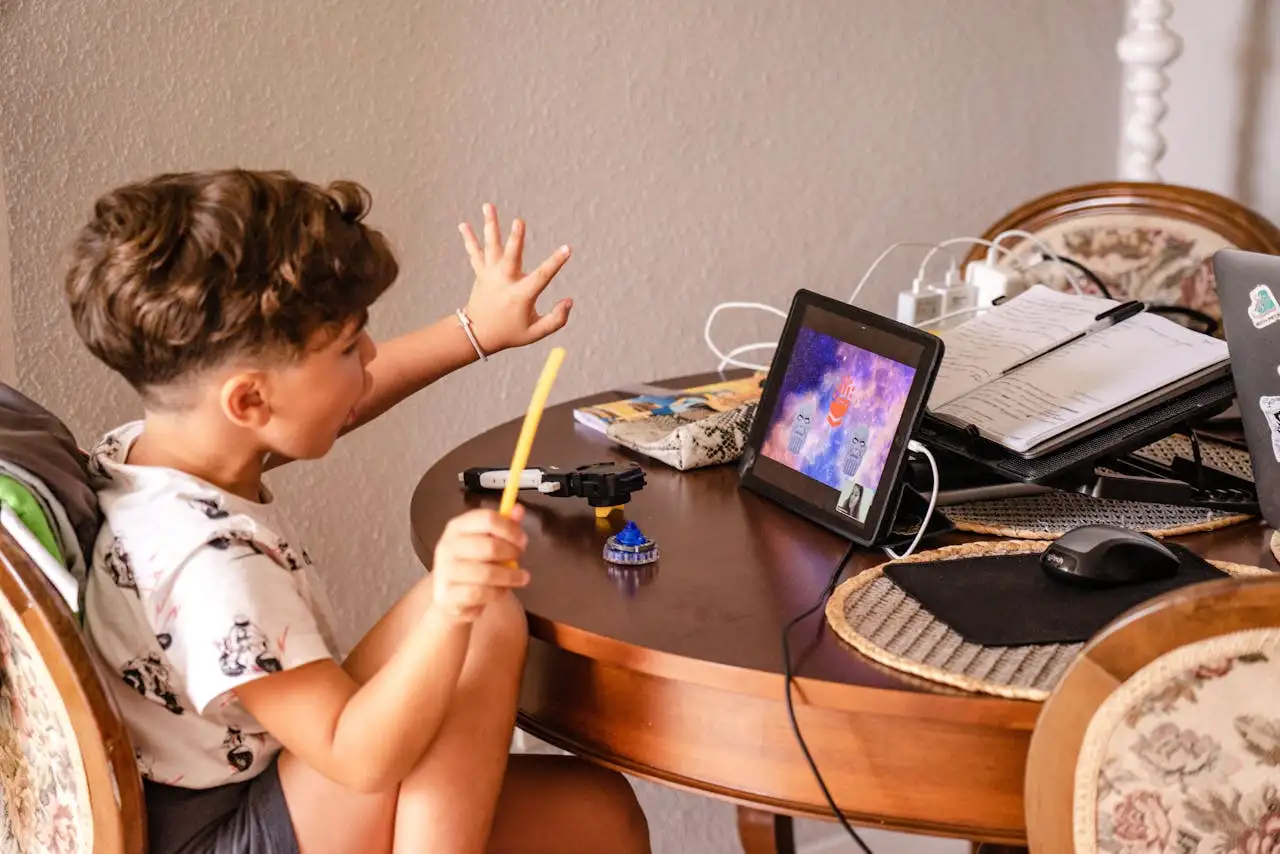
Screens are everywhere; online classes, mobile games, YouTube, and social media. While technology has its place, too much screen time can reduce physical activity, affect sleep, and limit creative thinking in children. Many parents are now searching for engaging alternatives that keep kids learning and entertained, without a device in their hands.
The good news? The right educational toys can shift children from passive scrolling to active thinking, building, and problem-solving.
Signs Your Child May Need a Screen-Time Break
Choosing Videos Over Toys More Often
You may notice your child reaching for a screen instead of playing with their usual toys or activities they once enjoyed.
Gets Restless Without a Device
When there’s no phone or tablet nearby, your child might quickly say they’re bored or struggle to stay engaged with offline play.
Less Interest in Creative Play
You might see less excitement for drawing, building, crafting, or pretend games that used to spark their imagination.
Screen-Based Learning vs. Hands-On Learning Toys
Feature
Open Counter Organizers
Hidden / Closed Storage
Engagement Type
Passive interaction
Active participation
Skill Development
Visual & digital familiarity
Creativity, logic, motor skills
Social Interaction
Limited
Encourages teamwork & communication
Physical Activity
Minimal
Hands-on movement and coordination
Long-Term Benefits
Information consumption
Problem-solving & innovation
What to Look for in Educational Toys
The best toys don’t just entertain; they teach through play.
Encourage problem-solving
Allow open-ended creativity
Match the child’s age and skill level
Promote hands-on interaction
Support independent or group play
Avoid toys that are overly restrictive or only have one “right” outcome. Open-ended play builds imagination.
How We Evaluated
We assessed toys based on:
How long they keep children engaged without screens
Our focus was on toys that combine fun, learning, and repeat play value.
Who This is For
Parents concerned about rising screen time
Kids who lose interest in traditional toys quickly
Families looking for meaningful learning gifts
Children who enjoy building, experimenting, and creating
Our Top Educational Toy Picks That Make Learning Fun
Top Pick: Build It. Launch It. Watch Science Take Off
DIY Rocket Launcher Kit for Kids (6–12 Years)
Why we recommend it: It blends physics, creativity, and problem-solving into one exciting activity. Perfect for kids who love building things and seeing real results from their effort.
Why we recommend it: This kit transforms astronomy into an interactive experience. Kids don’t just memorize planets, they build a moving model that shows how celestial bodies orbit.
Top Pick: Build a Working Robotic Hand Like an Engineer
Robotic Mechanical Hand DIY Kit (8–14 Years)
Why we recommend it: This award-winning STEM kit lets kids build a functional robotic hand, introducing real mechanical engineering concepts in a fun way.
Top Pick: Spark Curiosity With Real Electric Experiments
Electricity Kit with DIY Electric Robot (8–14 Years)
Why we recommend it: A complete beginner-friendly electronics kit that teaches how circuits, switches, and power flow work through exciting experiments.
Why we recommend it: Keeps everyday spoons, forks, and spatulas upright and within reach while preventing water build-up. Rust-resistant steel ensures long-term durability on wet kitchen counters.
Top Pick: Explore the World Like a Young Scientist
DIY Telescope Toy Kit (8–14 Years)
Why we recommend it: More than a toy, this kit teaches real-world measurement skills. Kids build a telescope and learn how to estimate height and distance like explorers and engineers.
Switching from screens to toys works best when done gradually.
Set daily screen limits
Create a dedicated play corner at home
Rotate toys weekly to keep interest fresh
Join them during play to make it more engaging
Praise creativity, not just results
Children naturally return to screens when bored, so the key is providing exciting alternatives that capture their curiosity.
Final Verdict
When screens start replacing playtime, the solution isn’t removing fun; it’s replacing passive entertainment with active learning. The right educational toys help children build creativity, confidence, and real-world skills while still having a great time.
Learning sticks best when kids don’t even realize they’re learning, and that’s exactly what these toys deliver.